

As we explore how smart home trends can support aging in place, it's clear that incorporating technology like voice-controlled devices and remote access features can make a significant difference. These tools not only enhance convenience but also provide critical safety measures, such as smart smoke detectors and emergency contact systems. By effectively integrating these technologies, we can create a more secure and independent living environment for older adults. But how do we guarantee we're choosing the right devices and maintaining privacy? Let's examine the key factors that willA legal document that expresses a person’s wishes as to how their property is to be distributed afte... help us make informed decisions and maximize these benefits.
Key Takeaways
- Utilize voice-activated devices like Amazon Echo for easy control and communication.
- Implement smart cameras and sensors for enhanced safety and real-time monitoring.
- Adopt remote access features to manage and monitor devices from anywhere.
- Integrate smart smoke detectors and emergency contact systems for early alerts and assistance.
- Embrace video chat capabilities and medication reminders to improve communication and care.
Understanding Smart Homes
Understanding Smart Homes is crucial for grasping how technology can support aging in place. As we look at smart home technology, it's evident that connected devices play a pivotal role in enhancing safety, convenience, and independence for aging adults. With nearly 75% of adults over 50 expressing a desire to age in place, smart home trends become increasingly significant.
Smart home devices such as smart door locks, cameras, and lighting systems offer a layer of safety that's invaluable. These devices communicate seamlessly through central hubs, providing real-time updates and control from anywhere. Imagine the peace of mind that comes from knowing our loved ones are safe, even when we're not physically present.
Connectivity is another cornerstone of smart home technology. It guarantees that all devices work together harmoniously, creating an environment where aging adults can maintain their independence with ease. For instance, smart lighting can be programmed to turn on automatically, reducing the risk of falls.
AARP surveys highlight older adults' preference to stay in their homes longer, driving the adoption of these innovations. By embracing smart home upgrades, we can help make sure that aging in place isn't just a possibility, but a comfortable reality.
Types of Smart Home Tech
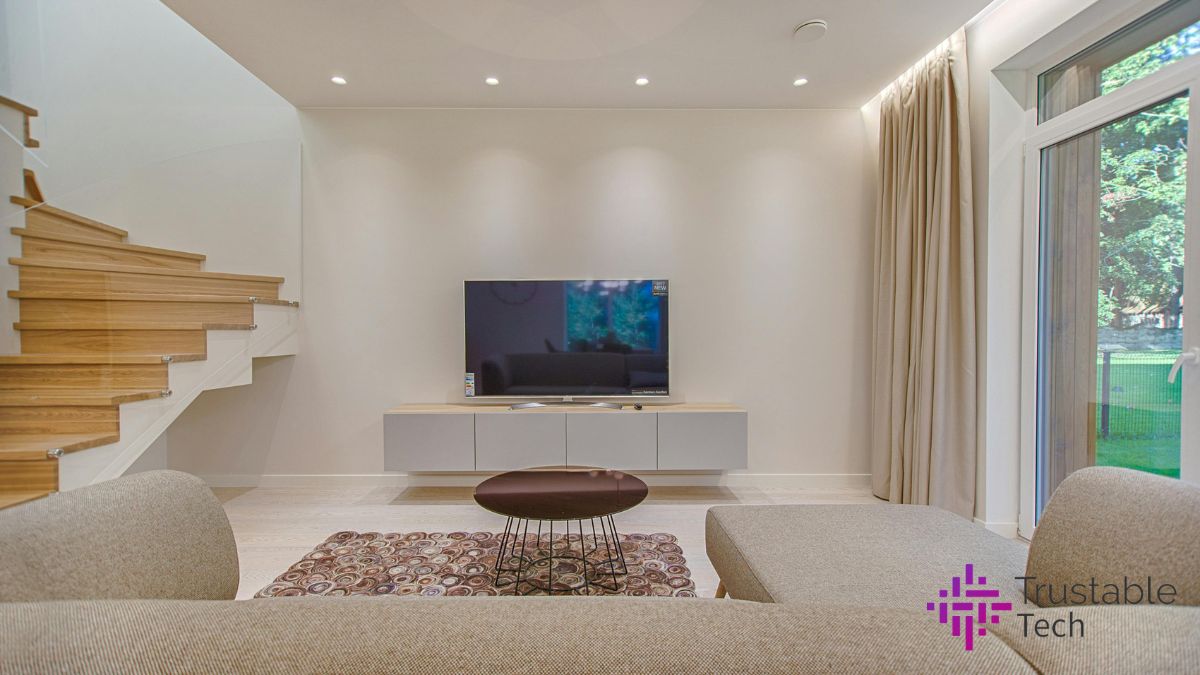
Let's explore the types of smart home tech that can greatly improve the lives of aging adults. Voice control capabilities, such as those offered by Alexa, and remote access features via smartphone apps enable easy management of devices from anywhere. These technologies not only enhance convenience but also provide critical support for safety and independence.
Voice Control Capabilities
When it comes to enhancing accessibility and convenience in a smart home, voice control capabilities really stand out. Voice control capabilities allow older adults to control smart devices hands-free, making everyday tasks much easier. With popular voice assistants like Alexa and Google Assistant, users can interact with their smart home environment using simple voice commands. This is particularly significant for those of us focusing on aging in place, as it promotes both accessibility and independence.
Over 50% of smart speaker owners already use voice commands to manage their smart devices, highlighting the widespread adoption of this technology. Whether it's turning on lights, adjusting the thermostat, or even locking doors, voice control makes these actions straightforward and hassle-free. For older adults, this means less reliance on complex manual controls and more ease in daily life activities.
Voice-activated devices offer a user-friendly interface, reducing the complications that can come with traditional remote controls or smartphone apps. By leveraging voice control capabilities, we can create a more accessible and convenient living environment. This technology doesn't just make life easier; it empowers older adults to live more independently and comfortably in their own homes.
Remote Access Features
Building on the convenience offered by voice control capabilities, remote access features in smart home technology further enhance the living experience for older adults. With nearly 75% of adults over 50 preferring to age in place, smart home devices equipped with remote access become essential tools for maintaining independence.
Using a Wi-Fi connection, these devices allow us to control and monitor our homes from anywhere via smartphone apps. Imagine being able to lock your doors, adjust your lighting, or check your security cameras—all while you're away.
Smart door locks, cameras, lighting systems, and central hubs like Amazon Echo or Google Nest make this possible. They provide seamless integration and control through both apps and voice commands.
When we think about aging in place, the ability to manage our home environment remotely offers peace of mind and added security. For example, if we forget to turn off the lights before leaving, we can easily do so using our smartphones.
The convenience and safety that remote access features offer make them a cornerstone of smart home technology for older adults. These advancements ensure we can live independently and confidently, no matter where life takes us.
Benefits of Smart Home Upgrades
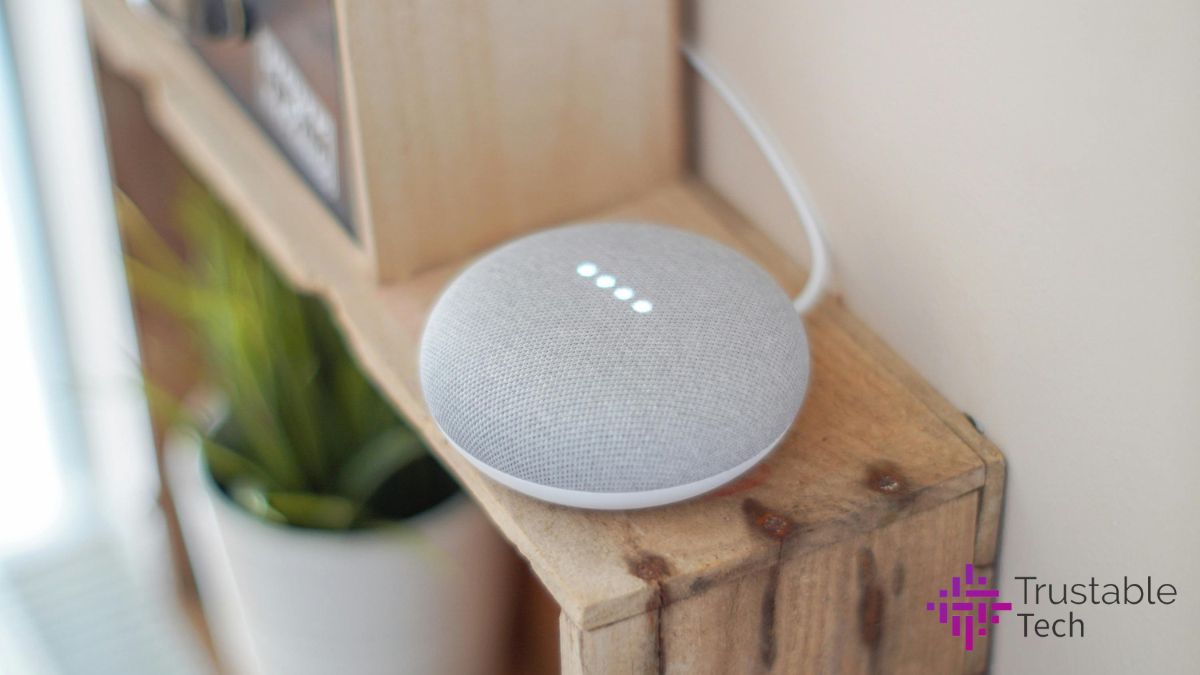
As we look at the benefits of smart home upgrades, it's evident that nearly 75% of adults aged 50 and older desire to remain in their homes for as long as possible. Aging in place is a significant priority for many, and smart home technology plays a pivotal role in achieving this goal.
First and foremost, these upgrades enhance our independence. With smart devices, we can manage daily tasks more easily, providing a sense of authority over our environment. For example, smart door locks and lighting systems allow us to maintain safety and comfort without needing to rely on others constantly.
Safety is another key benefit. Smart cameras and sensors can alert us to potential hazards, giving peace of mind to both us and our loved ones. This technology ensures that help is always accessible, even if we're alone.
Comfort isn't overlooked, either. Smart thermostats and lighting systems adapt to our preferences, creating a more pleasant living environment.
Lastly, remote access means we can control our home's features from anywhere, assuring everything is as we left it. These benefits collectively make aging in place not just feasible but enjoyable and secure.
Essential Smart Devices
Essential smart devices are indispensable for ensuring safety, comfort, and independence as we age. One of the most crucial devices for aging individuals is the smart smoke detector. These devices provide early alerts, which can be life-saving in case of a fire, giving us peace of mind knowing our loved ones are safe.
Emergency contact systems are also crucial. They offer monitoring and assistance for older adults living alone, ensuring help is just a button press away. For a budget-friendly option, the Amazon Echo Dot is an excellent choice. It allows us to call for help using voice commands, making it easier for seniors to get assistance in emergencies.
Smart displays and voice-communication devices like the Amazon Echo Show enable enhanced interaction and control for seniors. These devices can display reminders and video calls and even control other smart home devices, making daily tasks more manageable.
Safety Enhancements
When it comes to aging in place, safety enhancements play a vital role in creating a secure and comfortable living environment. Smart cameras are a prime example, allowing us to monitor our loved ones and guarantee their well-being at all times. These cameras provide real-time footage, giving us peace of mind whether we're in the next room or miles away.
Smart sensors are another essential addition. They can detect falls and other emergencies, immediately sending alerts to caregivers. This prompt response can make all the difference in preventing serious injuries or complications.
Smart locks offer a layer of security that's both convenient and effective. With key-free access, we can avoid the hassle of lost keys. Plus, these locks send alerts when someone enters or exits, adding an extra layer of vigilance.
Water-leak sensors are also necessary. These devices detect leaks instantly, helping us prevent water damage and potential hazards that could compromise safety.
Lastly, smart lighting enhances visibility, making it easier for aging adults to navigate their homes. With remote control and voice activation, these lights can be adjusted effortlessly, reducing the risk of falls and ensuring a safer living space.
Remote Caregiving Tools
Let's explore how remote caregiving tools can transform the way we support our aging loved ones. By monitoring health remotely and enhancing communication channels, these smart home devices offer real-time alerts and peace of mind.
With connected apps, we can easily check in, adjust settings, and guarantee their safety from anywhere.
Monitoring Health Remotely
In today's world, remote caregiving tools are revolutionizing how we monitor the health and safety of older adults. With smart home technology, we can keep a close eye on our loved ones even from a distance. By using devices like smart cameras, motion sensors, and wearable health trackers, we gain access to real-time data on their well-being.
These remote caregiving tools offer us a window into the daily lives of older adults, ensuring their health and safety are always prioritized. For instance, motion sensors can detect if there's a fall, while wearable health trackers can monitor essential signs like heart rate and blood pressure. This immediate access to health information means we can respond quickly to any changes or emergencies, providing peace of mind for both the caregiver and the individual.
Smart home technology supports the independence of older adults, enabling them to live in their own homes longer without compromising on the care they receive. By monitoring health remotely, we enhance their quality of life, ensuring they remain safe and healthy.
This approach lets us provide necessary support, helping our loved ones age in place with dignity and confidence.
Enhancing Communication Channels
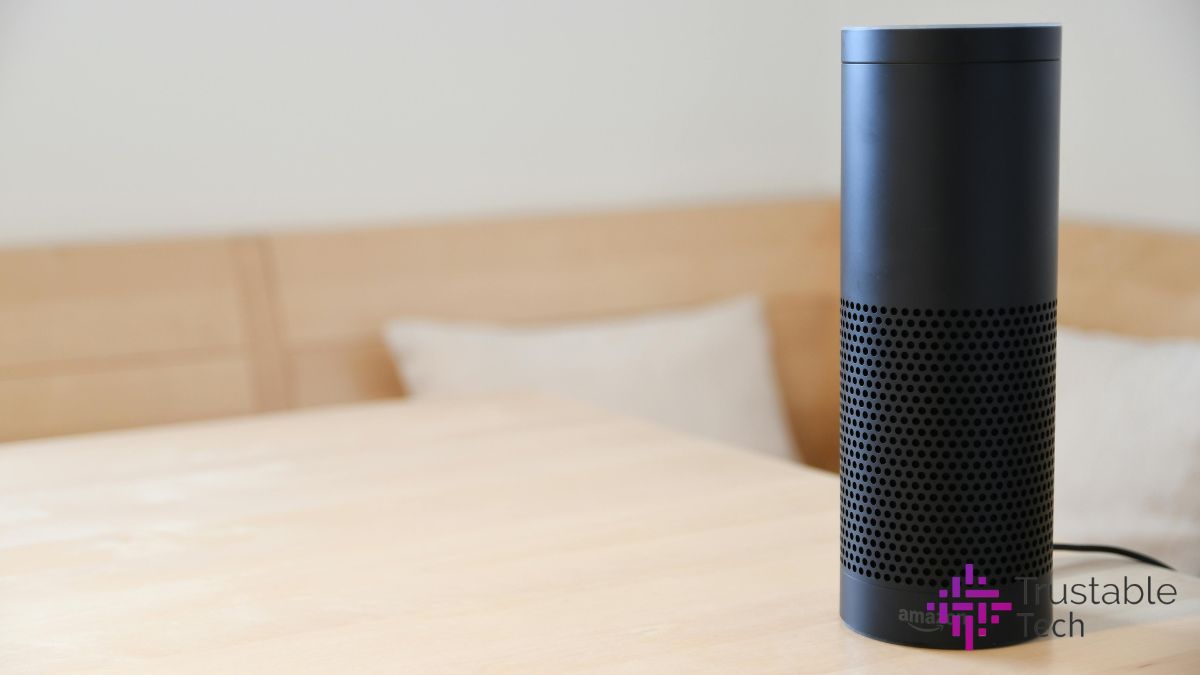
Taking advantage of smart home technology, we can vastly improve communication channels for remote caregiving. By integrating various tools and smart devices, we guarantee our loved ones are safe and well cared for, even from a distance. Real-time monitoring enables us to check in on their well-being at any moment, providing peace of mind and immediate support when needed.
With these advancements, we can leverageThe use of borrowed funds to increase the potential return of an investment, often increasing the ri...:
- Video chat capabilities: Easily connect face-to-face with our loved ones, making certain they're doing well and addressing any concerns directly.
- Emergency alert systems: Receive instant notifications if there's an emergency, allowing us to act quickly and coordinate necessary assistance.
- Medication reminders: Guarantee timely medication intake, helping manage and monitor health routines effectively.
These communication channels are essential for remote caregiving. They allow us to stay connected and engaged with the daily lives of older adults, enhancing their ability to age in place comfortably. Smart devices simplify the caregiving process, offering tools that support both caregivers and those they care for. Embracing these trends in smart home technology not only promotes independence but also guarantees that help is just a call or alert away.
Privacy and Security
While smart home technology offers numerous benefits for aging in place, privacy and security concerns often hold people back from fully embracing these innovations. We acknowledge that privacy concerns and security worries are valid, especially when it comes to data gathering and the potential for false alarms. It's important to be cautious about how our information is used and to make sure that our homes remain secure.
Studies from the University of Bristol reveal that older adults often find the device instructions unclear, which can amplify these concerns. Clearer instructions can help us feel more confident in using smart home devices without compromising our privacy.
Additionally, rather than rushing into a full setup, we should consider a gradual integration of these devices. This approach allows us to address any privacy or security issues as they arise and better grasp how each device fits into our lives.
Compatibility with our needs is another vital factor. Before incorporating any smart home technology, we should research to make sure that the devices align with our specific requirements and can function together seamlessly. This systematic approach helps minimize any potential privacy and security risks, making our homes safer and more comfortable.
Researching Smart Devices
When researching smart devices for aging in place, we should focus on a few key criteria: ease of use, reliability, and compatibility with our existing systems. These factors are essential to guarantee that the technology we integrate into our home truly supports aging in place effectively.
Testing smart devices involves evaluating their functionality and accessibility features. We should also consider their integration capabilities with other devices we already own. Trusted sources with over 20 years of experience in testing smart home technology can provide valuable recommendations.
When evaluating these devices, we should keep our primary goals in mind:
- Ease of Use: Devices should be simple enough for older adults to operate without frustration.
- Reliability: Consistent performance is critical to avoid any disruptions in daily routines.
- Compatibility: Making sure new devices work seamlessly with existing systems maximizes their effectiveness.
Future Trends in Smart Homes
As we evaluate the best smart devices for aging in place, it's also important to look ahead at emerging trends that could shape our homes in the coming years. By 2025, 50% of US households are projected to have smart home devices, signaling a significant shift towards technology integration. This shift is particularly crucial for aging populations, as these innovations can enhance health and safety, streamline caregiving, and improve overall well-being.
The AgeTech Collaborative is actively engaging in developing smart home tech tailored to the specific needs of older adults. We're seeing advancements in communication innovations, such as voice-activated systems and telehealth platforms, which allow seniors to stay connected and receive medical care from home. However, the adoption of these technologies is influenced by stigma, privacy concerns, ease of use, and costs.
Looking ahead, the global smart home device market is expected to reach $165 billion by 2025, reflecting its growth potential. As tech needs to evolve, we're likely to see more sophisticated solutions addressing health, wellness, and learning. While challenges remain, the future holds promise for creating smarter, safer, and more connected living environments for aging populations.
Conclusion
Incorporating smart home technology for aging in place offers us incredible convenience, independence, and security. By focusing on essential devices like voice-controlled systems, remote monitoring, and emergency contact features, we can create a safer and more comfortable living environment. Prioritizing communication, privacy, and dependable tech guarantees, we maximize these benefits. As we embrace these innovations, we empower ourselves and our loved ones to age gracefully and confidently in the comfort of our own homes.


